
Mobility Playbook Example for the Greater Milwaukee Foundation
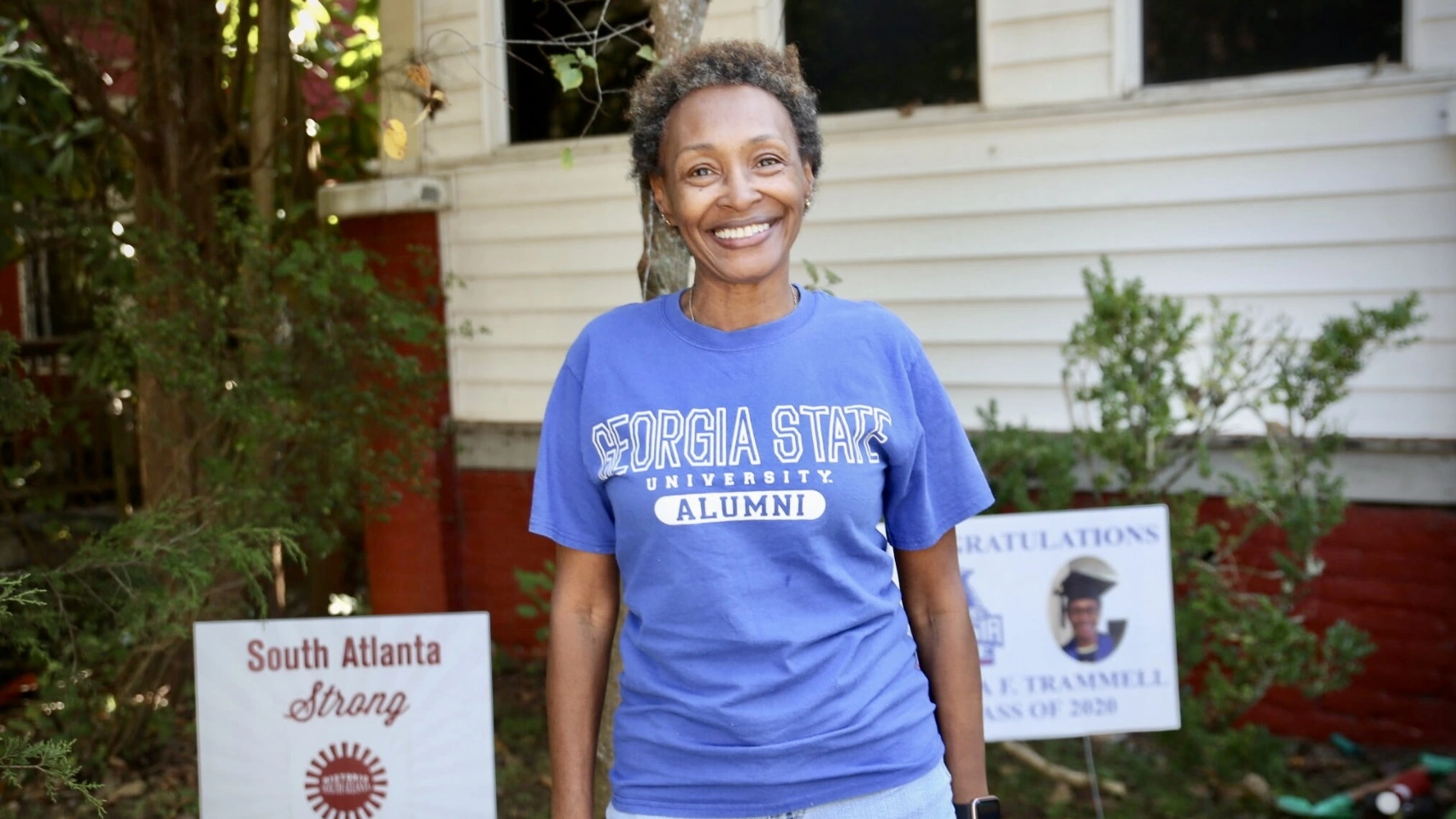
Historic South Atlanta was once a proud center of Black middle-class life. The neighborhood was built in the late 1800s around the original campus of Clark University. Unfortunately, by the early 2000s, decades of disinvestment and industrial decline had eroded its foundation.
By the time the 2008 housing crisis hit, nearly a third of the area’s single-family homes sat empty. Entire blocks fell to neglect, and property values declined dramatically.
Residents needed help. Local foundations come together to work with a local non-profit called FCS to revitalize the community. Over the next 15 years, they used a small pool of capital to dramatically increase local homeownership and build community wealth.
These impressive results came from the implementation of a unique rotational capital fund with three main functions.
Purchase distressed or vacant properties. FCS prioritizes acquiring clusters of properties on the same block to preserve homeowner value and create mixed-income communities that increase economic connectedness.
Rebuild or construct new homes. Construction is managed by local staff paid by the fund and conducted by local contractors and workers.
Sell them to qualified buyers. The program targets families earning up to 120 percent of area median income and gives priority to legacy residents.
The proceeds from each sale are then recycled, or "rotated," back into the fund to pay for additional homes.
This structure requires very little funding relative to the results it produced. The entire program in Atlanta never exceeded $3.1 million of invested capital, which has all been paid back to investors. Grants supporting the program totaled another $1.2 million over 15 years.
This means that each participating family received an average of just $10,000 to $12,000 in philanthropic support. This small investment has created more than 100 local homeowners who have built $26 million in new wealth.
This program could be an effective tool to help lower-income families in Milwaukee build wealth and avoid displacement. It could transform the large numbers of empty residential lots and abandoned homes into assets that provide mobility to residents.
The interactive map below shows the current availability of local property and provides estimates on the cost of a similar program in each local neighborhood.