
2026 CFLEADS Economic Mobility Summit
The Unique Context of Economic Mobility in Genesee County
Genesee County is a different place than it was a decade ago.
Around 402,000 people now live across the county. Local businesses added new jobs, particularly in technology, finance, and logistics. Meanwhile, housing became significantly more expensive.
Many trends that reshaped the rest of the nation are also present in Genesee County. For example, nearly 1 in 12 residents now work from home. The local population is also aging. About 19% of residents are over 65.
{"fullBleed":true,"assetsBase":"https://commongoodlabs.github.io/cfleads-2607/assets","showJurisdictionMaskToggle":true,"jurisdictionMasksEnabled":true,"location":{"bbox_xmax":-83.453297,"bbox_xmin":-83.932071,"bbox_ymax":43.223131,"bbox_ymin":42.780821,"state_bbox_xmax":-82.12297,"state_bbox_xmin":-90.4184,"state_bbox_ymax":48.30606,"state_bbox_ymin":41.69612,"state_fips":"26","location_fips":"26049","name":"Genesee County","super_location_name":null,"place_type":"cty","jurisdiction_mask":null,"jurisdiction_boundary":null}}
Median household incomes in Genesee County grew rapidly over the past decade. Even so, many local families are still struggling to make ends meet.
68,000 residents live just above the poverty line. This group is often called near-poor, similar to the group that some researchers label ALICE, for Asset Limited, Income Constrained, Employed. These households typically earn incomes between about $35,000 and $70,000 a year for a family of four.
71,000 residents live in poverty. These households typically earn incomes less than about $35,000 a year for a family of four. Roughly 24,000 of the members of these families are children.
So, how does poverty in Genesee County compare to similar counties?
- The share of residents who are poor is larger than in peer counties, but it has fallen significantly in recent years.
- The share of poor adults who are elderly or disabled is lower than the share among peers. About 37% of poor adults fall into this group.
Comparison data can also highlight shared opportunities for economic mobility. Here are examples of three local groups with unique pathways for moving out of poverty.
Single parents of young children.
Nearly 4,000 poor adults in the county are single parents raising a child under age 6. Studies find that connecting parents like these to accessible and affordable child care can boost their employment and earnings significantly.
Young adults who are upskilling candidates.
About 12,000 young adults in poverty have a high school credential but lack a degree or a certification that empowers them to secure a good job. Research shows that certificates, associate degrees, and apprenticeships tied to in-demand occupations, such as health care and the skilled trades, pay well above the county's average and can move their households out of poverty.
Other underemployed workers.
Over 3,000 poor adults are in the workforce but held back from increasing their earnings by part-time work. Local data shows that for the average worker in the county, going from part-time to full-time work can significantly increase their earnings.
The shared opportunities among these adults have the potential to benefit more than just themselves. Together, their households include more than 10,000 children in poverty within the county.
What else do you want to know about your county? What would you like to share with your colleagues, partners, and community members?
If you are interested in learning more about Common Good Labs and our research, please sign up for our quarterly newsletter here.
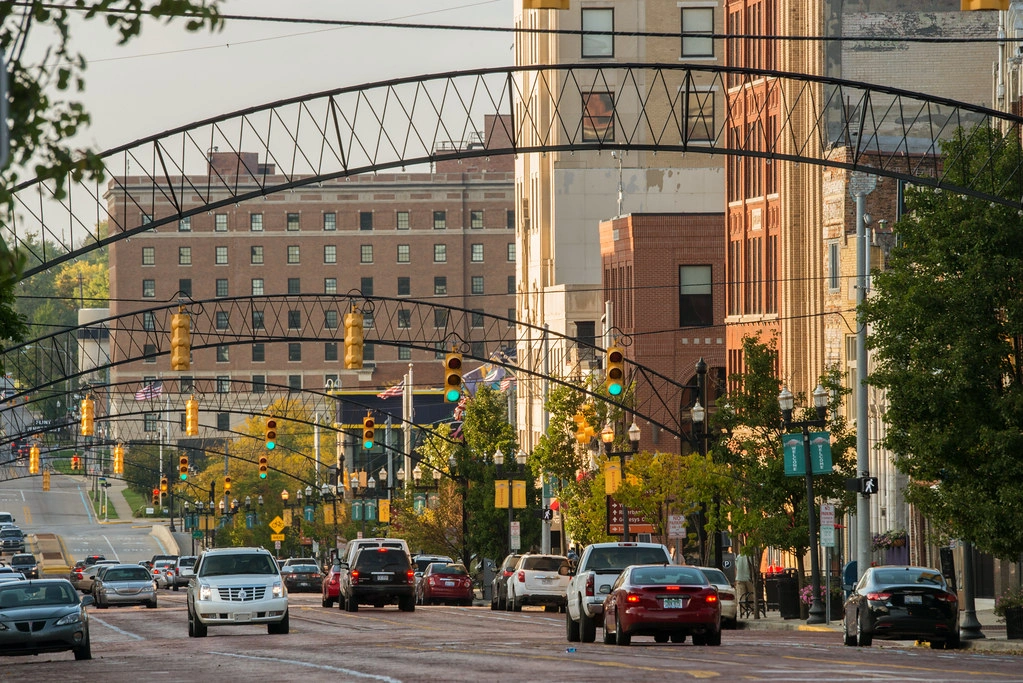
Photo attribution: USDAgov, via flickr, licensed under PDM 1.0. Converted to WebP from the original.